Human Appearance & Expression
From exposed metal to expressive faces that feel approachable.
3 years ago (2023)
Most humanoids were deliberately non-human (Atlas, ASIMO). Uncanny valley was a real barrier. Hanson Robotics Sophia had basic facial expressions but limited movement. Commercial robots (Pepper, Nao) used cartoonish aesthetics.
Now (2026)
Faceless designs gain acceptance (KAI emphasizes function over form). Silicone skin with realistic texture on premium models. Expressive LED arrays replace mechanical faces on service robots. Emotional AI enables tone and gesture adaptation. Engineers prioritize reliability over human mimicry.
Next 3 years
Adaptive facial expressions driven by real-time emotional AI. Programmable appearance for specific roles (friendly, professional, authoritative). Cross-cultural expression models. Digital skin with color-changing displays. Full-body emotional communication (posture, gesture, proximity).
Related Robots
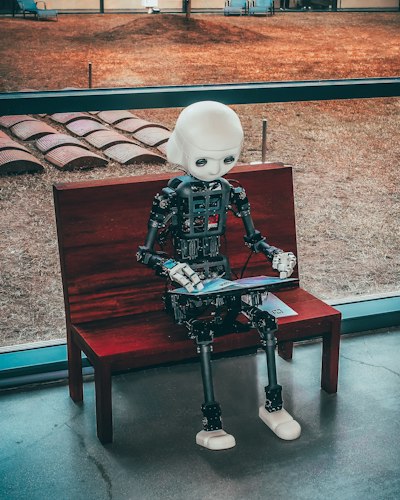
Full-sized humanoid with 115 degrees of freedom — nearly triple rivals — and tactile skin with 18,000 sensors detecting forces as light as 0.1N. Powered by the KAI World Model trained on 100,000+ hours of first-person egocentric video via the KAI Halo headset. Semi-solid-state 1.7kWh battery for home safety. Founded by XPeng Robotics alumni.
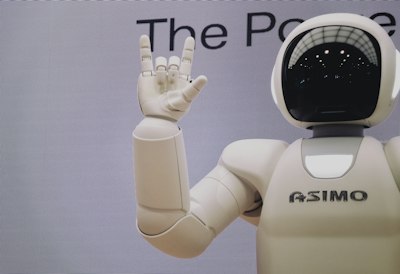
Semi-humanoid social robot with emotion recognition, used in retail, hospitality, and healthcare.