Power & Batteries
From tethered operation to safe, dense energy for all-day autonomy.
3 years ago (2023)
Most humanoids were tethered or ran on heavy Li-ion packs with 30-60 min runtime. Battery fires were a real concern. Charging required manual intervention. Hydraulic systems (Atlas) needed external power. Energy density limited practical deployment.
Now (2026)
Semi-solid-state batteries enable home-safe operation (KAI's 1.7kWh). Hot-swappable battery packs extend runtime indefinitely. 2+ hours of continuous operation on a charge. Regenerative braking in legged systems. Wireless charging pads for autonomous docking.
Next 3 years
Full solid-state batteries with 2x energy density. Ultra-fast charging (10 min to 80%). Energy harvesting from environment (solar, inductive floors). All-day autonomy without intervention. Standardized battery modules across manufacturers.
Related Robots
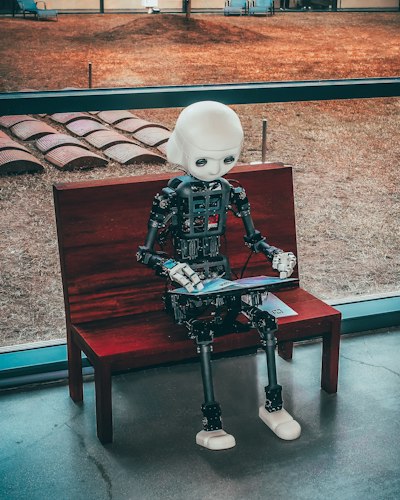
Full-sized humanoid with 115 degrees of freedom — nearly triple rivals — and tactile skin with 18,000 sensors detecting forces as light as 0.1N. Powered by the KAI World Model trained on 100,000+ hours of first-person egocentric video via the KAI Halo headset. Semi-solid-state 1.7kWh battery for home safety. Founded by XPeng Robotics alumni.
Latest generation humanoid robot from Figure AI built on Qualcomm safety-grade SoC platforms. Comprehensive physical AI stack with improved perception, manipulation, and autonomy.
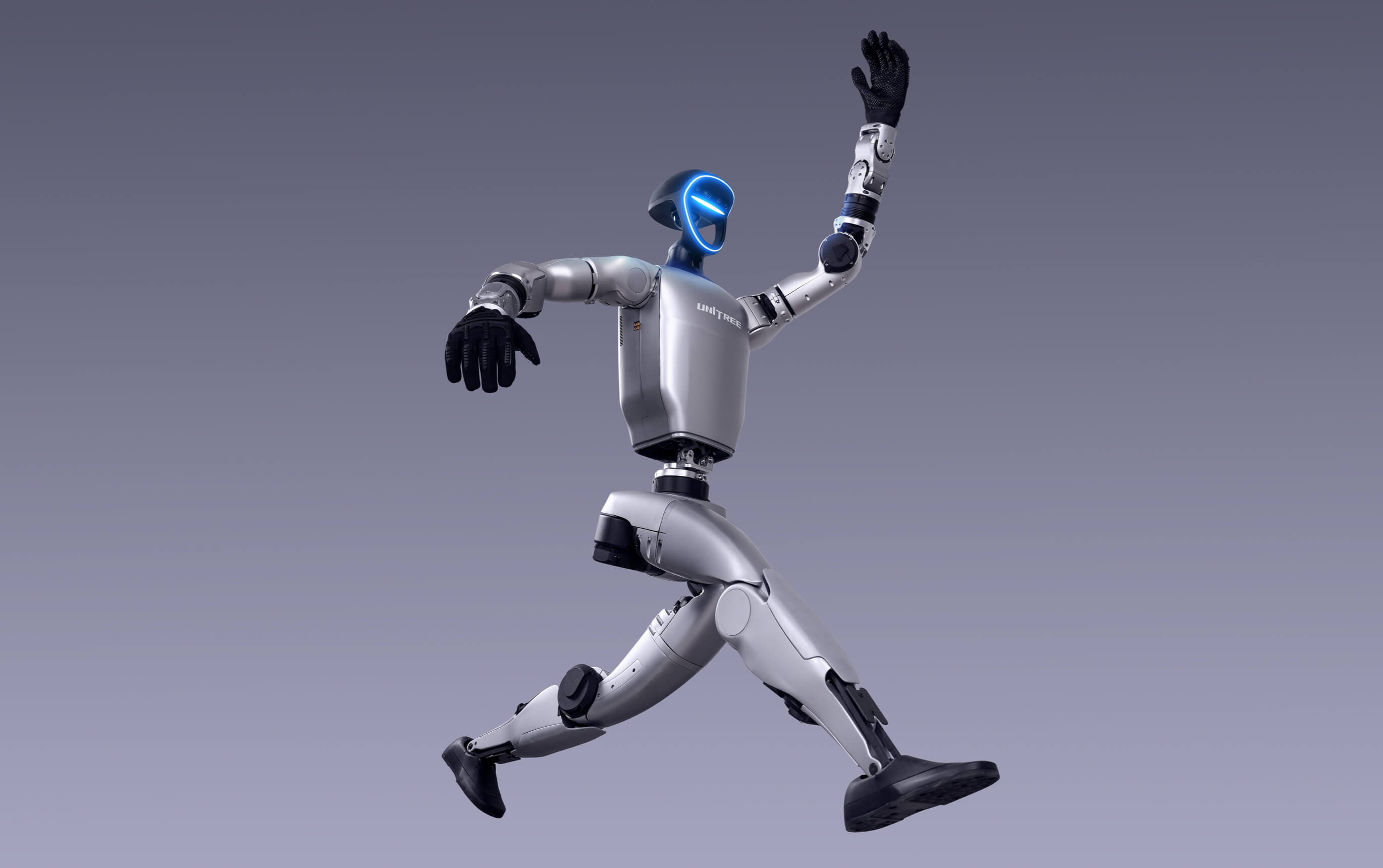
Compact humanoid robot with dexterous manipulation. Base model from $16,000. EDU developer versions (with SDK, ROS2, sim-to-real) range from $43,900 (Standard) to $73,900 (Ultimate A). Rental programs available in SF Bay Area through distributors like TOBoRLife and FUTUROBOTS (~$1,800/month).