Robots for Research & Education
47 robots used in research & education
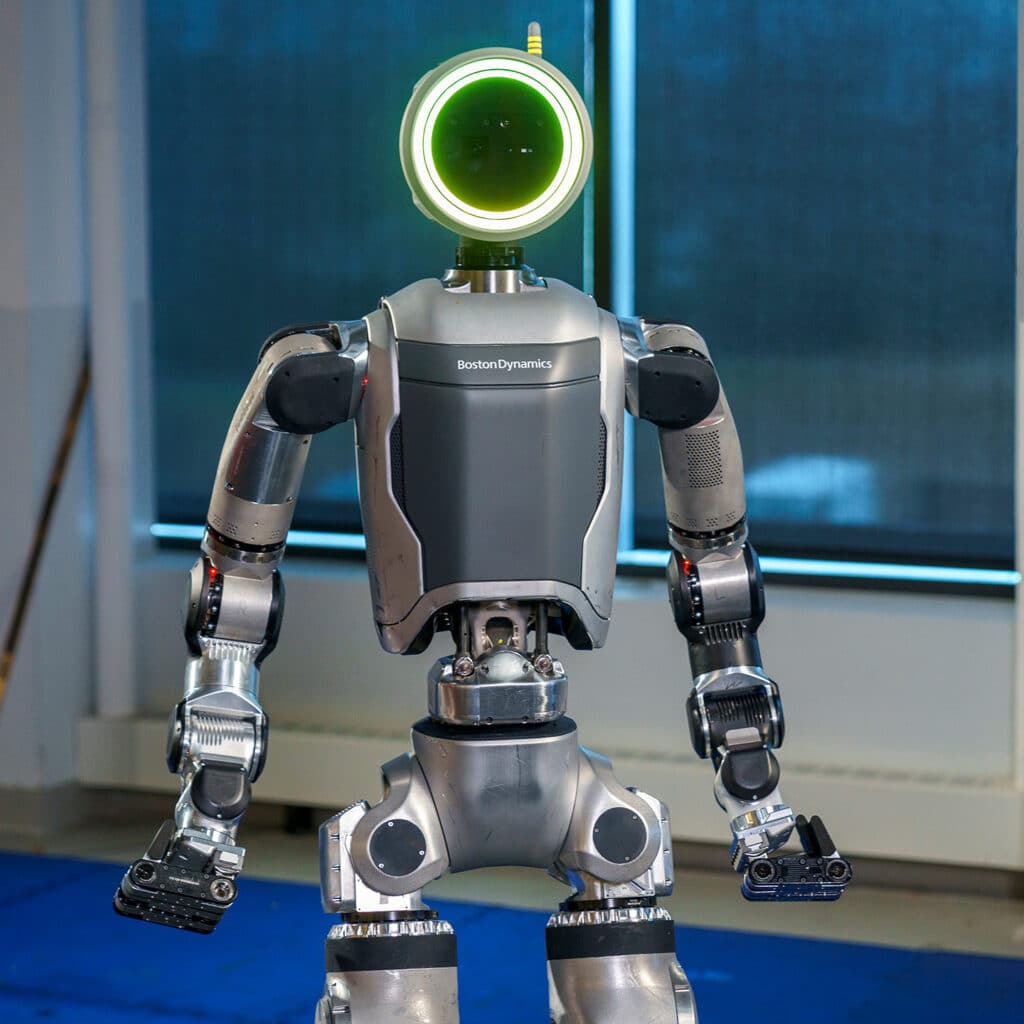
Fully electric humanoid robot with advanced mobility, manipulation, and AI-powered perception. Successor to the hydraulic Atlas platform.
Child-sized bipedal humanoid developer platform. 89cm tall, 20kg, 21 DoF, peak joint torque 102 Nm. Two-hour runtime per charge, two-hour recharge. Walks, runs fast, choreographed dance. Free for universities and research labs, ~0-12K commercial.
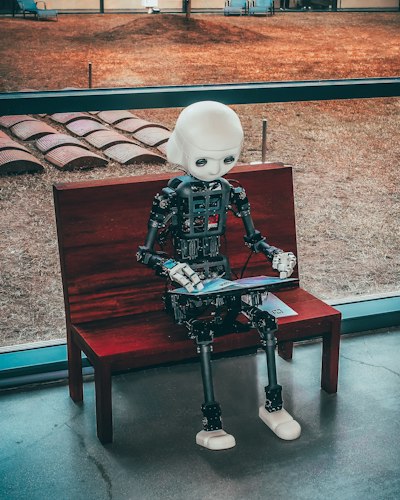
High-performance humanoid robot with 360-degree perception, capable of running, jumping, and navigating complex terrain.
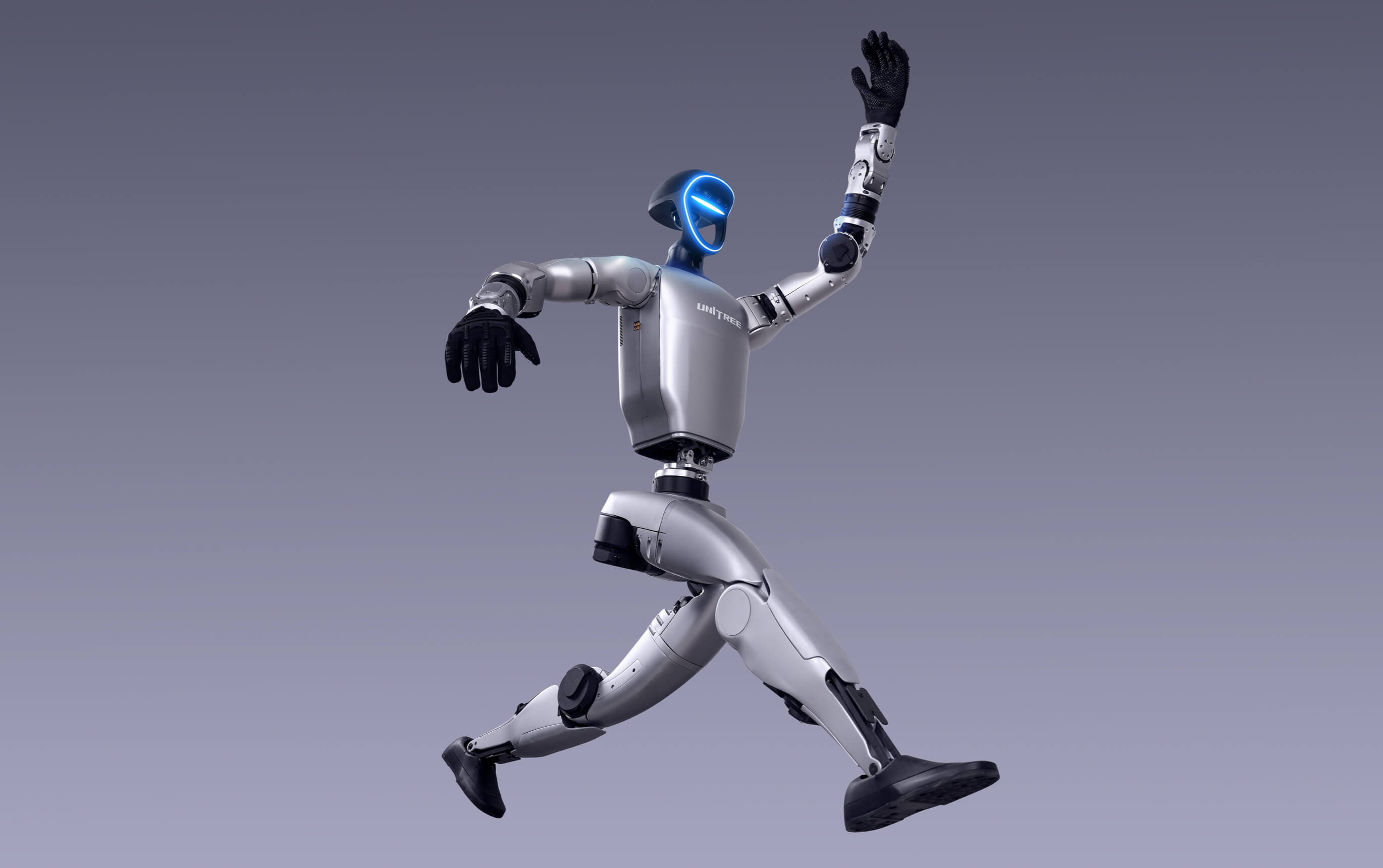
Compact humanoid robot with dexterous manipulation. Base model from $16,000. EDU developer versions (with SDK, ROS2, sim-to-real) range from $43,900 (Standard) to $73,900 (Ultimate A). Rental programs available in SF Bay Area through distributors like TOBoRLife and FUTUROBOTS (~$1,800/month).
Wheeled-base humanoid robot with fluid upper-body motion control, demonstrated performing Tai Chi movements.
Next-generation humanoid from AgiBot featuring advanced dynamic movement and balance control, demonstrated with martial arts capabilities.
Affordable humanoid robot platform priced under $10,000, designed for research and light commercial use.
General-purpose humanoid robot with 53 degrees of freedom, designed for rehabilitation and service applications.
Humanoid robot controlled via a master-maneuvering system, designed for remote operation in hazardous environments.
Sensitive lightweight collaborative robot with torque sensors in all 7 axes for safe human-robot interaction.
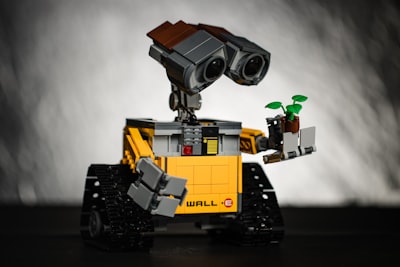
Ultra-light flying robot inspired by swifts, demonstrating bio-inspired autonomous flight coordination.
Iranian humanoid robot capable of walking, face detection, object grasping, and speech recognition.
6-axis mini industrial robot arm for STEM education and desktop automation tasks.
Open-source humanoid robot with VR teleoperation and AI-powered manipulation for research and service.
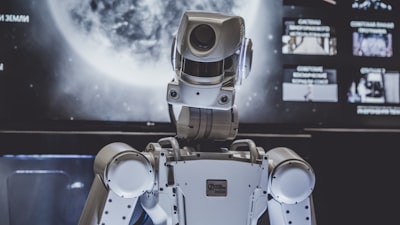
The most widely used open-source robot operating system, providing hardware abstraction, drivers, libraries, and tools for robot software development.
GPU-accelerated robotics simulation platform for training AI and testing robots in photorealistic virtual environments before real-world deployment.
Hardware-accelerated ROS 2 packages for perception, navigation, and manipulation on NVIDIA Jetson platforms.
Open-source motion planning framework for robotic arms, enabling grasping, manipulation, and path planning.
Open-source 3D robotics simulator for testing algorithms, designing robots, and training AI in realistic environments.
Open-source self-driving software supporting 250+ car models, turning consumer vehicles into semi-autonomous robots.
Open-source, 3D-printable 17-DoF dexterous robotic hand. Built for under 2,000 CHF in under 8 hours. Survived 10,000+ continuous operation cycles.
Advanced version with 83 taxels per fingertip for tactile sensing, detecting forces down to 0.1N. Open-source and 3D-printable.
Taiwan's advanced humanoid robot developed by the Industrial Technology Research Institute. Features improved walking, manipulation, and AI interaction capabilities.
Extreme agility humanoid from Unitree capable of breakdancing, backflips, and complex athletic movements. Demonstrates superhuman mobility and balance.
Open-source DIY humanoid robot kit. 1.2m tall, 35kg, 25+ degrees of freedom. Modular design with 3D-printed parts. Comes unassembled with full manual and build videos. Open-source on GitHub.
Robotic dexterous hand with 12 degrees of freedom, XYZ 3D sensor, 5 fingers rated for 100 million cycles. Fast response for manipulation research and industrial applications.
Complete $5.3K devkit to train Physical AI robots in 1 day. Includes dual 7DOF robot arms, 4x 60fps cameras, Quest VR teleop, 500Hz ROS2 controllers, and data collection tools. Export to LeRobot format.
Single or dual robot arm devkit for Physical AI training. 6DOF arms with camera, VR teleop via Quest, ROS2 integration. Train robots to perform real-world tasks from teleoperation data.
Dual-arm tabletop manipulator version of the Vega platform. Same high-payload arms and dexterous hands without the mobile base. For research and industrial manipulation tasks.
General-purpose humanoid robot with dynamic movement and AI-driven manipulation. Designed for future home and service scenarios. Chinese startup pushing boundaries in humanoid agility.
Modular AI coding robot with magnetic snap-together modules. No screws or wiring — build robots in minutes. Drag-and-drop programming via Blockly. STEM education for kids and adults.
World's most expressive humanoid robot face with hyper-realistic expressions. Used for research, entertainment, and human-robot interaction.
Chinese humanoid focused on dynamic locomotion and whole-body control. Advanced walking and manipulation.
Xiaomi's humanoid robot with emotion recognition, 3D space perception, and natural language interaction.
AI-powered hardware design tool for robotics. Generate wiring diagrams, bills of materials, and step-by-step assembly guides from a single text prompt. Free to use. Essential tool for DIY robot builders.
Open-source robotics data visualization and debugging platform. Visualize ROS, MCAP, and other robot data in real-time. Essential tool for robot developers.
Open-source SDK for logging and visualizing multimodal robot data — cameras, LiDAR, poses, tensors. Built for robotics and embodied AI development.
AI data labeling platform used for training robot perception models. Label images, video, 3D point clouds, and sensor data at scale.
Multimodal data curation platform for robotics. Curate, manage, and prepare training data for physical AI and robot learning.
Telemetry and data platform for hardware-in-the-loop testing. Used by robotics, aerospace, and autonomous vehicle teams to analyze test data.
Indie humanoid robot project focused on VR-based teleoperation. Features custom-built controller, manufactured legs and v2 arms. Uses software teleoperation allowing a human operator to control the robot remotely through a VR headset. An open development project sharing regular build updates publicly.
Full android with a fluid-driven musculoskeletal system — no electric motors or rigid actuators. Uses proprietary Myofiber hydraulic artificial muscles powered by pressurized water. 170cm tall, 60kg, with 206 synthetic bones, 164 degrees of freedom, and roughly 1000 artificial muscles. Mimics biological human anatomy with soft, compliant motion. First 279 Alpha Edition units available for pre-order.
Human-scale robotic forearm and hand with 27 degrees of freedom, using antagonistic muscle-tendon drive and proprioceptive feedback. Part of the Clone musculoskeletal platform — fluid-driven, no electric motors. Production cost around $2,800. Entering production as a standalone product for research and integration.
Vision-Force-Action Model (VFA) — a robot AI framework that uses force sensing as a core modality alongside vision for manipulation. Founded by Pulkit Agrawal (MIT).
Open-source humanoid robot. 1.2m tall, 35kg, 25 DoF. 7075 aluminium and MJF PA12 nylon construction. Full mechanical design, simulation files, and BOM released. DIY kit available at $15,000.
Full-sized humanoid with 115 degrees of freedom — nearly triple rivals — and tactile skin with 18,000 sensors detecting forces as light as 0.1N. Powered by the KAI World Model trained on 100,000+ hours of first-person egocentric video via the KAI Halo headset. Semi-solid-state 1.7kWh battery for home safety. Founded by XPeng Robotics alumni.

Wheeled humanoid robot prototype from Unitree — humanoid upper body on a wheeled base for fast, stable locomotion. Aims to combine humanoid dexterity with wheeled efficiency.